Hotel FF&E procurement can make or break a hotel opening.
Sounds dramatic? It is not.
A late sofa, missing headboard, or rejected lighting fixture can hold up inspections, disrupt the soft opening, and create budget pressure when your team has the least room to move.
For developers, FF&E is not just furniture buying. It is a project management tool.
Done well, it protects your budget, supports brand standards, keeps the opening schedule realistic, and helps the hotel feel guest-ready from day one.
That matters even more in today’s market. HVS reported that U.S. hotel room supply growth slowed in 2023 and 2024, partly due to rising construction costs and higher debt costs. It also forecast limited supply growth in 2025 and 2026. In this environment, every budget line needs tighter control.
This guide walks you through the full hotel FF&E procurement process.
You will learn how to plan the budget, write an RFP, compare bids, manage logistics, avoid delays, and prepare for handover.

What Is Hotel FF&E Procurement
FF&E means Furniture, Fixtures, and Equipment.
In hotels, FF&E refers to the non-structural items that guests see, touch, and use every day. These items shape the look, comfort, and function of the property.
Common hotel FF&E items include:
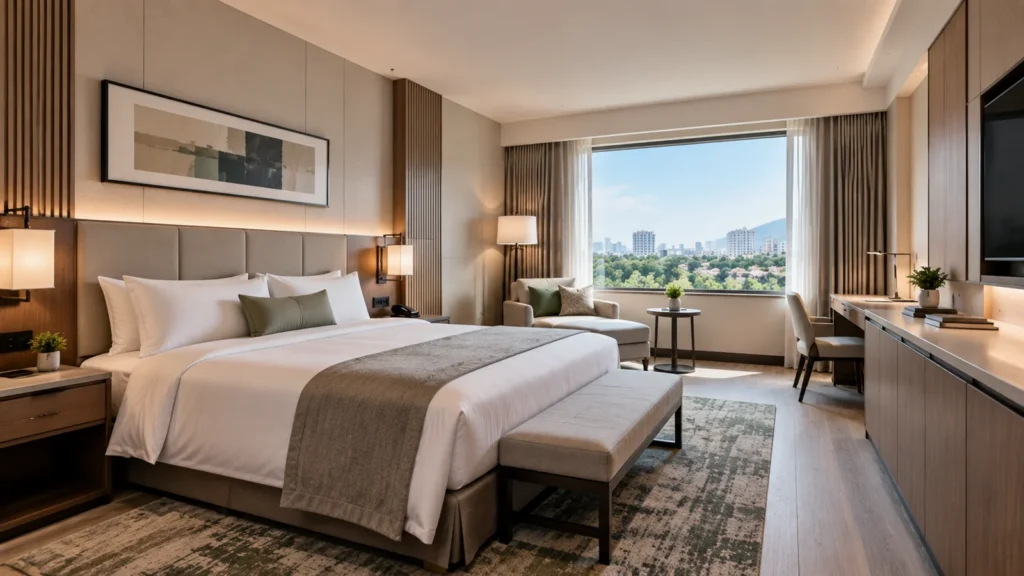
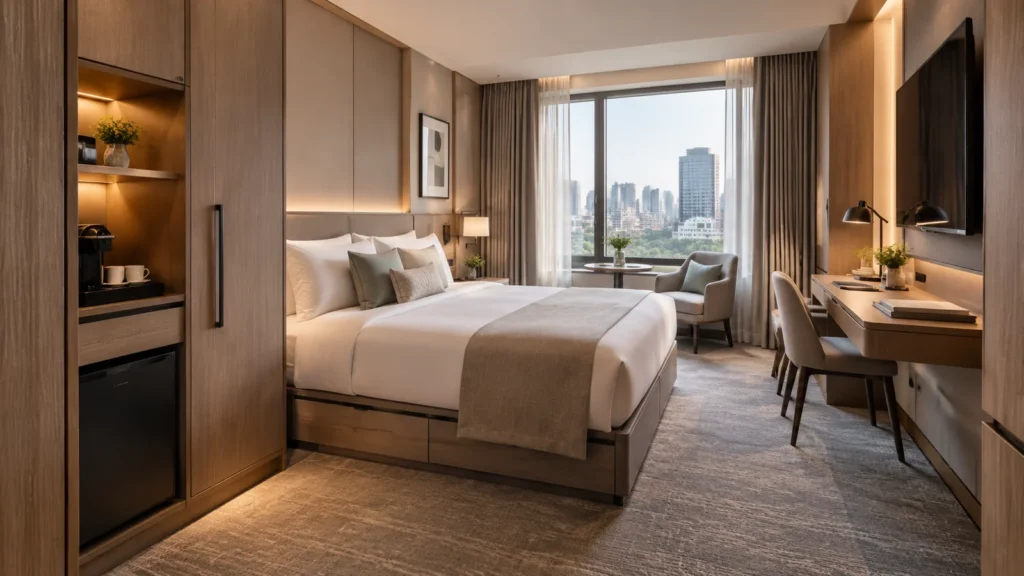
- Guestroom furniture: beds, headboards, nightstands, desks, and chairs
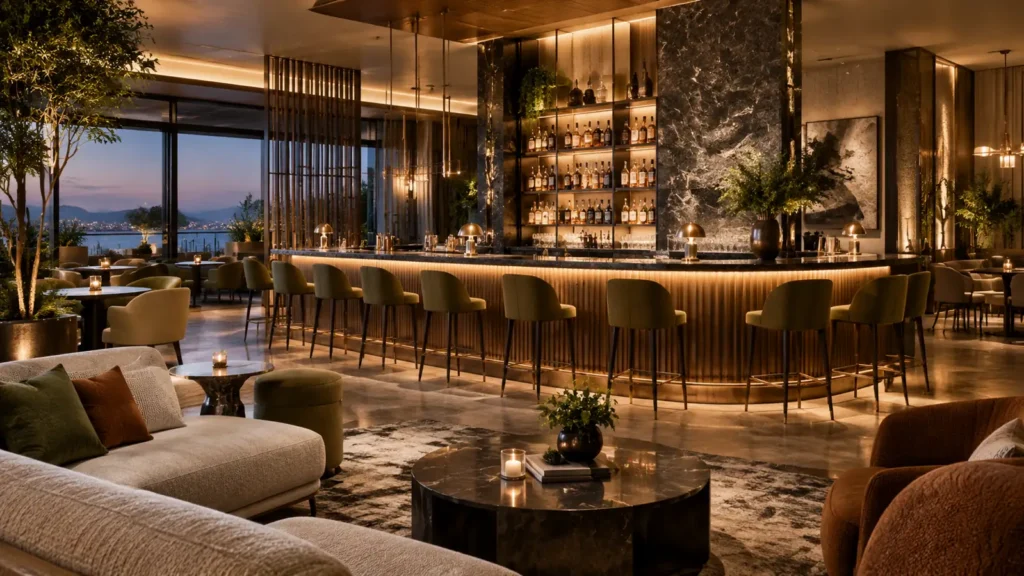
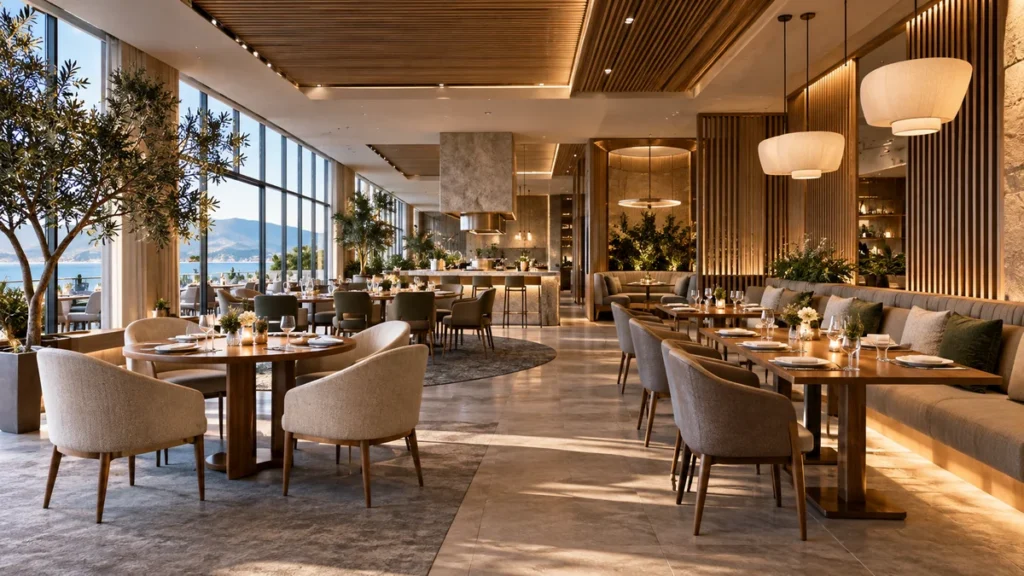
- Public area furniture: lobby seating, restaurant furniture, bar stools, and outdoor furniture
- Fixtures: lighting, mirrors, artwork, and window treatments
- Equipment: in-room safes, minibars, TVs, and other guest-facing equipment

But hotel FF&E procurement is bigger than placing orders.
It includes sourcing, budgeting, samples, production, quality control, shipping, warehousing, delivery, installation, and warranty handover.
Think of it as building the skin and personality of the hotel.
The building is the body. FF&E is what guests touch, see, and remember.
FF&E vs OS&E in Hotel Development
FF&E and OS&E are often planned together, but they serve different roles in hotel development.
FF&E covers the furniture, fixtures, and equipment that shape the guest-facing spaces. OS&E covers the operating supplies and equipment the hotel team needs to run daily service.
Here is the simple difference:
| Category | FF&E | OS&E |
|---|---|---|
| Meaning | Furniture, Fixtures & Equipment | Operating Supplies & Equipment |
| Examples | Beds, desks, lighting, sofas | Linens, uniforms, plates, amenities |
| Main Responsibility | Developer, designer, procurement team | Operator, GM, department heads |
| Timing | Earlier in the project | Closer to opening |
| Main Risk | Delays, wrong specs, installation issues | Missing supplies, poor opening readiness |
For developers, FF&E usually needs earlier planning because it touches design, construction, brand approval, and logistics. OS&E is usually purchased closer to opening, but it still needs coordination before the first guest arrives.
Why Hotel FF&E Procurement Matters
Hotel FF&E procurement affects more than style. For developers, hotel FF&E procurement affects cost, timing, compliance, brand approval, and guest experience.
It Protects the Opening Date
A hotel cannot open smoothly if rooms are not ready. Missing FF&E can hold up room inspections, brand walkthroughs, staff training, photography, soft opening, and the revenue start date.
A delayed opening is not just frustrating. It can burn cash fast.
It Controls the Real Cost
The lowest product price is not always the lowest project cost. A cheap chair can become expensive once freight, duties, damage, storage, and replacement costs are added.
That is why developers should compare landed cost, not just unit cost.
It Supports Brand Approval
Branded hotels must meet design and performance standards. The brand may review finishes, dimensions, durability, lighting, artwork, and room layout.
Late changes can create a domino effect. One rejected finish can push back production. One missed production slot can push back installation.
Hotel FF&E Procurement Budget: What to Include
A strong FF&E budget is not a furniture list.
It is a risk plan.
Your budget should include every cost needed to move products from concept to guest-ready rooms. That means product cost, logistics, installation, approvals, damage allowance, and contingency.
Key hotel FF&E procurement budget categories include:
Product Costs
- Guestroom FF&E
- Lobby and public area FF&E
- Restaurant and bar FF&E
- Meeting space FF&E
- Outdoor and pool furniture
- Back-of-house furniture
Logistics Costs
- Freight and customs
- Warehousing
- Local delivery
- Cargo insurance
Installation Costs
- Installation labor
- Site protection
- Floor-by-floor delivery
- Mock-up room costs
Risk Allowances
- Spare parts
- Damage allowance
- Contingency
- Warranty support
A common mistake is budgeting only for products.
That is like budgeting for a car but forgetting tax, insurance, fuel, and delivery.
For a broader view of fit-out cost planning, read our Hotel Fit Out Cost Guide.
Add a Contingency
Every hotel project needs an FF&E contingency.
Finishes get discontinued. Brand reviewers ask for revisions. Shipments get damaged. Room counts change. Site conditions shift.
A contingency gives developers room to move without panic. It also helps protect the opening schedule when small issues start to stack up.
Hotel FF&E Procurement Timeline
The best hotel FF&E procurement starts early.
For new builds and major renovations, planning should begin 12 to 18 months before opening. If you wait until construction is nearly complete, your supplier options shrink. Lead times get tighter. Costs can rise quickly.
For the broader project roadmap beyond FF&E, see our Hotel Fit Out Guide for Developers.
Here is a practical hotel FF&E procurement timeline.
Strategy and Budgeting
Start with the big decisions.
- Define the hotel positioning
- Review brand standards
- Build the first FF&E budget
- Identify long-lead items
- Choose the procurement model
- Align the developer, designer, operator, and owner
Specifications and RFP
Now move from concept to documents.
- FF&E schedule
- Product specifications
- Material requirements
- Supplier shortlist
- RFP package
- Bid comparison format
Samples and Approvals
This is the approval stage.
- Samples
- Shop drawings
- Finish approvals
- Mock-up room
- Brand review
- Final pricing
- Purchase orders
Production and Logistics
Now production and logistics become critical.
- Factory schedule
- Quality inspections
- Packaging
- Freight booking
- Customs documents
- Warehouse space
- Site readiness
Delivery, Installation and Handover
This is the final control phase.
- Site delivery
- Floor-by-floor installation
- Damage reports
- Missing items
- Punch list
- Warranty files
- Operator handover
Step-by-Step Hotel FF&E Procurement Process
A clear process keeps hotel FF&E procurement from turning into guesswork. For developers, the goal is simple: define the scope, control the budget, approve the right products, and keep delivery aligned with the opening schedule.
Define the Scope
Start with the project basics.
- Confirm whether the project is a new build, renovation, conversion, or PIP
- Define how many keys are included
- Identify which areas need FF&E
- Review brand requirements
- Confirm the target opening date
Build the Budget
Break the FF&E budget by area.
- Guestrooms
- Lobby and public spaces
- F&B areas
- Outdoor spaces
- Meeting rooms
- Back-of-house areas
Create the FF&E Schedule
The FF&E schedule is your control board.
- Item code, area, description, and quantity
- Dimensions, materials, and finishes
- Vendor, lead time, and approval status
- PO date, ship date, ETA, and installation status
Prepare the Hotel FF&E RFP
An RFP means Request for Proposal. In hotel FF&E procurement, it tells suppliers what you need and how they should price it.
- Project details and hotel location
- Scope of supply and quantities
- Drawings and specifications
- Sample requirements
- Delivery terms and installation responsibility
- Warranty requirements, bid deadline, and pricing format
Source Qualified Suppliers
Do not choose suppliers by price alone.
- Hospitality project experience
- Production capacity
- Custom manufacturing ability
- Lead time reliability
- Quality control process
- Warranty support and references
Compare Bids
Use the table below as a sample bid leveling matrix. Replace the placeholder values with your actual supplier quotes, freight costs, lead times, warranty terms, payment terms, and risk ratings. This helps you compare value, not just price.
| Supplier | Product Cost | Freight | Lead Time | Warranty | Payment Terms | Risk |
|---|---|---|---|---|---|---|
| Supplier A | Enter quote | Enter freight | 14 weeks | 2 years | 50/40/10 | Medium |
| Supplier B | Enter quote | Enter freight | 18 weeks | 3 years | 40/50/10 | Low |
| Supplier C | Enter quote | Enter freight | 12 weeks | 1 year | 60/40 | High |
Approve Samples and Mock-Up Room
Samples help avoid expensive surprises.
- Wood finishes, metal finishes, fabrics, and stone
- Hardware and lighting color
- Dimensions and ergonomics
- Cleaning access and maintenance access
- Mock-up room review with owner, designer, brand, operator, housekeeping, and engineering
Manage Production and Quality Control
Once purchase orders are released, track production closely.
- Production schedule
- Shop drawings
- Material confirmation
- Factory photos
- Inspection reports
- Packaging details and pre-shipment review
Coordinate Logistics and Warehousing
Imported hotel FF&E needs clear shipping terms. Common Incoterms include EXW, FOB, CIF, DAP, and DDP.
- Freight method
- Cargo insurance
- Customs broker
- Warehouse location and storage duration
- Delivery sequence
- Damage inspection and site access
Install, Punch, and Handover
Installation is not the finish line. It is the start of final control.
- Track missing, damaged, or incorrect items
- Record scratches, loose hardware, and alignment issues
- Manage replacements and warranty claims
- Collect warranty certificates and care instructions
- Prepare maintenance manuals, spare parts list, supplier contacts, and asset register
Managing every step in-house can be demanding, especially when sourcing, production, logistics, and installation overlap. For many developers, an end-to-end hotel FF&E procurement partner can help connect these stages, reduce back-and-forth communication, and keep the project moving with less pressure on the internal team.

Accessibility and Compliance Checks
Hotel FF&E must do more than complete the design. It needs to support safe, accessible, and efficient guest use.
Accessibility should not be treated as a final inspection item.
The U.S. Access Board states that ADA accessibility standards apply to public accommodations and commercial facilities in new construction, alterations, and additions. Because hotels include places of lodging, developers should coordinate FF&E layouts with ADA requirements for accessible guest rooms and public areas early.
Key areas to review include:
- Bed clearances
- Desk height and knee clearance
- Door swings
- Seating layout
- Work surfaces
- Closet access
- Bathroom access
- Lighting controls
- Accessible routes
A beautiful room still fails if it does not work for all guests.
Common Hotel FF&E Procurement Mistakes
Even a strong hotel project can lose time and money when hotel FF&E procurement is handled too late or too loosely. Here are the mistakes that hurt developers most.
Starting Procurement Too Late
Late procurement limits supplier options and leaves less room for samples, revisions, production, and freight planning.
Comparing Only Unit Price
Unit price is only part of the story. Freight, duties, warehousing, installation, warranty, and delivery risk can change the real cost.
Skipping Samples
Photos are not enough. A finish can look different under real hotel lighting, and materials may feel different in person.
Ignoring Site Readiness
Furniture cannot be installed in rooms that are dusty, wet, unfinished, or blocked by other trades.
Using Weak RFPs
A weak RFP creates unclear bids. Unclear bids lead to missing scope, pricing gaps, change orders, and supplier disputes.
Having No Punch List System
Without a punch list system, small defects disappear during installation and return later as guest complaints.
Procurement Agent vs Direct Purchasing
Should you hire a procurement agent?
The right hotel FF&E procurement model depends on project size, sourcing complexity, brand standards, and internal team capacity.
Use a Procurement Agent When
- You are new to hotel development
- The project is large or complex
- The brand has strict standards
- You are sourcing globally
- The timeline is tight
- The scope includes many vendors
Direct Purchasing May Work When
- The hotel is small
- The scope is limited
- You already know the suppliers
- The products are domestic
- Your team has hotel procurement experience
The real question is not, “Can we buy this ourselves?”
The better question is, “Can we manage the risk ourselves?”
If you are comparing delivery models, our Turnkey vs Multi-vendor Hotel Fit Out Guide explains how each approach affects cost, timeline, coordination, and accountability.
Hotel FF&E Procurement Checklist
Use this checklist before you release purchase orders or move into production.
Planning
- Confirm project scope
- Review brand standards
- Build the FF&E budget
- Add freight, warehousing, installation, and contingency
- Create the FF&E schedule
- Confirm the procurement timeline
Sourcing
- Prepare the RFP
- Prequalify suppliers
- Compare bids by landed cost, lead time, warranty, and risk
- Review samples
- Approve the mock-up room
- Confirm lead times
Production and Logistics
- Release purchase orders
- Track production
- Inspect before shipment
- Confirm Incoterms
- Arrange warehousing
- Check site readiness
Installation and Handover
- Deliver by sequence
- Install by floor, room type, or project phase
- Complete the punch list
- Collect warranties and care instructions
- Handover to the operator
Conclusion
Hotel FF&E procurement is not a minor task. It is a major part of hotel development, and it can directly affect your opening date, guest experience, budget, and brand promise.
When managed poorly, FF&E becomes a chain reaction. One late approval can lead to one missed shipment. One missed shipment can lead to one unfinished floor. One unfinished floor can lead to lost revenue. That is why developers should treat FF&E as a controlled project process, not just a purchasing task.
Start early. Build a clear RFP. Compare landed costs. Approve samples. Track production. Plan logistics. Complete the punch list before handover. That is how developers turn FF&E from a project risk into a project advantage.
Need help managing your hotel FF&E procurement? VOLANT FIT-OUT provides end-to-end hotel fit-out and FF&E solutions for developers, owners, and hospitality brands. Contact VOLANT FIT-OUT to discuss your project scope, timeline, and procurement requirements.
FAQs
What is hotel FF&E procurement?
Hotel FF&E procurement is the process of sourcing, purchasing, producing, shipping, installing, and handing over hotel furniture, fixtures, and equipment. It helps developers control budget, quality, timeline, and opening readiness.
What does FF&E include in a hotel?
Hotel FF&E includes guestroom furniture, lobby seating, restaurant furniture, lighting, casegoods, mirrors, artwork, window treatments, outdoor furniture, and selected in-room equipment such as safes, minibars, and TVs.
How long does hotel FF&E procurement take?
For new builds and major renovations, hotel FF&E procurement should usually start 12 to 18 months before opening. Custom products, imported furniture, brand approvals, mock-up rooms, and long-lead items can all extend the timeline.
What should be included in a hotel FF&E RFP?
A hotel FF&E RFP should include project details, room count, scope of supply, drawings, specifications, quantities, sample requirements, delivery terms, installation responsibility, warranty requirements, bid deadline, and pricing format.
What are the hidden costs in hotel FF&E procurement?
Common hidden costs include freight, customs duties, cargo insurance, warehousing, local delivery, installation, damage replacement, mock-up room costs, and contingency. These costs can make the landed cost much higher than the product price alone.