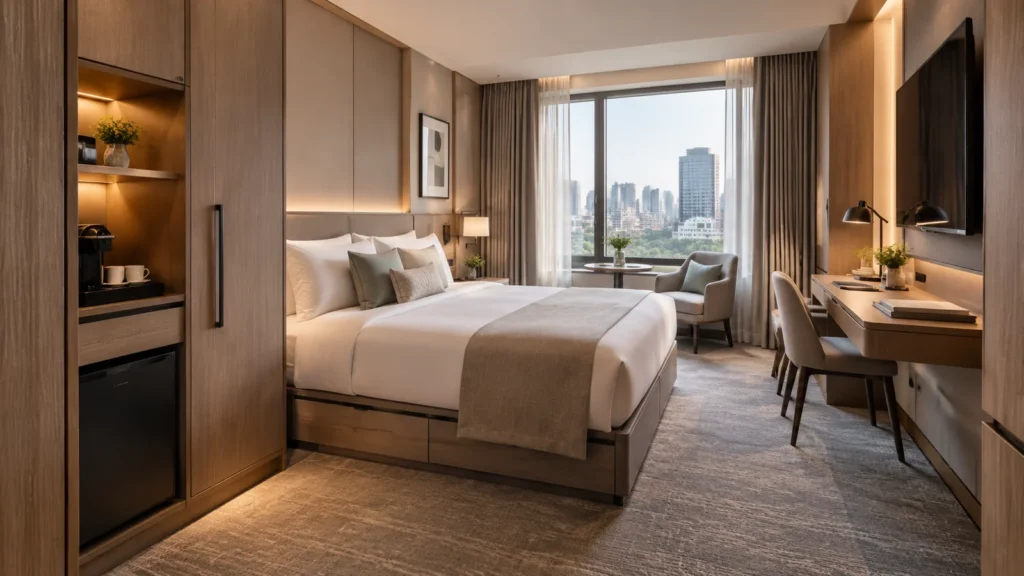
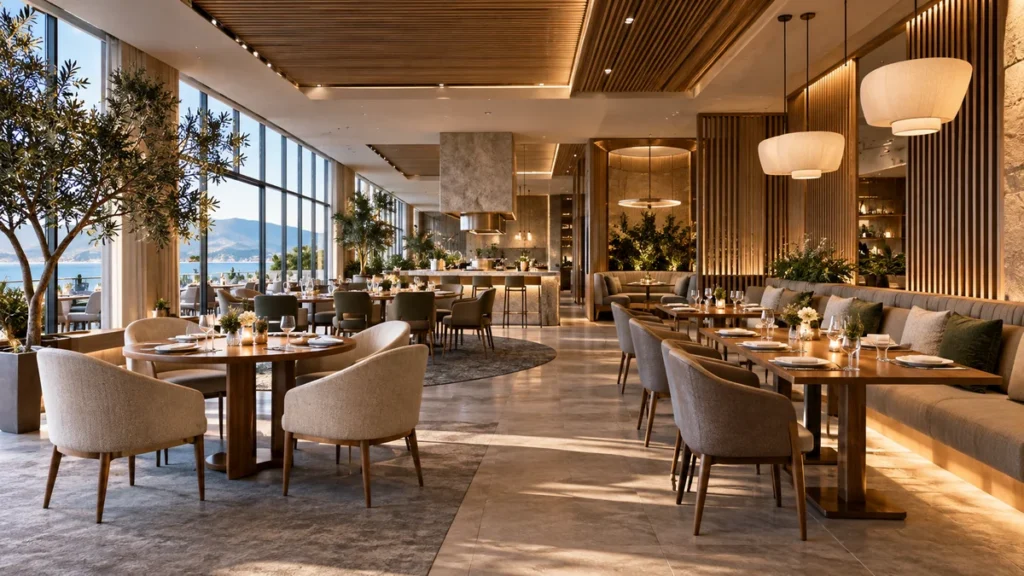
For developers comparing turnkey vs multi-vendor hotel fit out, both models can look workable at the planning stage, but they often perform very differently once a project moves into execution. The real difference between turnkey and multi-vendor hotel fit out usually shows up on site, where coordination, timing, and accountability begin to affect cost and progress.
According to Lodging Econometrics, the U.S. hotel construction pipeline closed Q4 2025 with 6,146 projects and 720,089 rooms, so developers are still working in a busy market where timing, coordination, and cost control matter. McKinsey reports that, on average, major projects overrun their budgets and schedules by 30% to 45%. That is why the choice between turnkey and multi-vendor hotel fit out is not a minor detail. It is a core project decision.
When comparing turnkey and multi-vendor hotel fit out, you are not just choosing suppliers. You are choosing how the entire delivery system will work. If you want the full picture before comparing these two models, read our Hotel Fit Out Guide for Developers first. In this article, we break down the real differences between turnkey and multi-vendor hotel fit out, so you can choose the model that fits your team, timeline, and project goals.

What Is Turnkey Hotel Fit Out?
A turnkey hotel fit out is often seen as the simpler delivery model, but many developers still misunderstand what it really includes. Before comparing it with a multi-vendor approach, it helps to look at how turnkey works in actual project delivery.
How Turnkey Hotel Fit Out Works
In a turnkey hotel fit out model, one lead partner manages most of the delivery process. That usually includes design coordination, procurement, production, logistics, and installation support. As explained in our hotel fit out guide, this model is often the better fit when speed, coordination, and delivery control matter most.
Think of it like flying with one pilot and one flight plan. You still have turbulence to manage, but you do not have multiple parties pulling the project in different directions. That is the basic appeal of turnkey. The handoffs are fewer, and the path is easier to follow.
What Is Usually Included in Turnkey Scope
A real turnkey scope usually goes far beyond furniture supply. It can include shop drawings, mock-up coordination, material sourcing, custom millwork, fixed furniture, loose furniture, logistics planning, site installation, snagging, and handover support. That wider scope matters in hotel projects because guest rooms, public areas, and brand standards all need to land consistently, not just look good in samples.
Why Developers Choose Turnkey Hotel Fit Out
Developers often choose turnkey because it brings clearer accountability and lower handoff risk. It can also reduce admin pressure across the project team. CIPS notes that a single-source structure can support price stability, shorter lead times, reduced administrative cost, and easier system integration, although it also increases dependence on one supplier. In hotel projects, that means turnkey can create a smoother delivery path, but only when the lead partner has real execution capacity behind the promise.
What Is Multi-Vendor Hotel Fit Out?
A multi-vendor hotel fit out can offer more sourcing freedom, which is why some developers still prefer it. But that flexibility also brings more coordination pressure, especially once the project moves into detailed execution.
How Multi-Vendor Sourcing Works in Hotel Projects
A multi-vendor hotel fit out splits the project into separate packages. One vendor may handle joinery, while another manages loose furniture. Others may supply doors, lighting, vanities, or stone. This model offers more sourcing flexibility, but it also creates more approvals, more handoffs, and more coordination risk.
Why Some Hotel Developers Prefer Multiple Vendors
The appeal is easy to understand. A multi-vendor model can give owners more direct control over each package. It can also help them compare specialists, test more pricing options, and reduce over-reliance on a single supplier. In procurement terms, multiple sourcing can improve flexibility and lower dependency, while single-source models can simplify management but create more exposure if the lead supplier struggles.
Where Multi-Vendor Hotel Fit Out Becomes Harder to Manage
The catch is coordination. One missing decision on power, plumbing, dimensions, or access can trigger a domino effect across trades. Poor coordination between suppliers and site teams often leads to avoidable delays, and underestimating that coordination burden is one of the most common mistakes in hotel fit out. More vendors can mean more choice, but they also mean more moving parts to keep aligned.

Turnkey vs Multi-Vendor Hotel Fit Out: The Real Differences
The biggest differences between turnkey and multi-vendor hotel fit out do not show up in a sales pitch. They show up once the project starts moving, when cost control, delivery pressure, coordination, and accountability begin to affect the outcome.
| Comparison Area | Turnkey Hotel Fit Out | Multi-Vendor Hotel Fit Out |
|---|---|---|
| Cost Control | Easier to manage total cost early with fewer hidden coordination expenses. | Can look cheaper at tender stage, but hidden costs are more common. |
| Timeline Risk | Fewer handoffs make scheduling and sequencing easier to control. | More approvals and dependencies can slow delivery. |
| Design Control | Stronger execution control once scope is aligned. | More sourcing freedom, but harder to keep details aligned. |
| Coordination | Managed by one lead team with clearer communication. | Requires heavier internal coordination across multiple suppliers. |
| Accountability | Responsibility is usually clearer when problems happen. | Responsibility can scatter across vendors and trades. |
Cost Control
At tender stage, multi-vendor often looks cheaper on paper. But hotel fit out cost is never just product cost. Hard costs, soft costs, FF&E, coordination, logistics, and design complexity all shape the real budget. Many hidden costs also sit in packaging, freight, duties, site handling, installation management, and defect resolution.
Timeline and Delivery Risk
Time slips rarely start with one late truck. They usually begin with unclear drawings, late design changes, long-lead items, and weak coordination. These are common causes of delay in hotel fit out, which is why scope needs to be frozen early, mock-ups should be approved before mass production, and change orders must be tracked tightly. In a fragmented delivery structure, each of those controls becomes harder to maintain.
Design Control
Many developers assume more vendors always mean more control. That sounds logical, but in practice, it is only half true. Real control comes from decision speed, technical alignment, and follow-through. If your team cannot manage finish approvals, mock-up adjustments, shop drawings, and site interfaces quickly, then more supplier choice can easily turn into slower execution.
Coordination Complexity
This is where many projects begin to break down. A strong factory alone is not enough. A strong site team alone is not enough. Hotel fit out lives or dies on coordination between design intent, sourcing, production, freight, and field installation. The project is often won or lost in the handoff between factory, freight, and field.
Accountability When Problems Happen
When something goes wrong, who owns it? In a turnkey structure, the answer is usually clearer. In a multi-vendor structure, responsibility can scatter fast. One vendor blames the drawings. Another blames site conditions. Another says the previous package blocked access. That is why many low quotes become expensive later. A low price may look attractive at tender stage, but without delivery capability and coordination depth, it can become the most expensive option during installation.
Which Model Gives Developers More Control?
Control is one of the biggest reasons developers compare turnkey and multi-vendor hotel fit out. But real control is not just about having more choices. It depends on how clearly decisions, coordination, and accountability are managed across the project.
When Turnkey Gives Better Control
Turnkey usually gives better control when the internal team is lean, the opening date is firm, and the project cannot absorb heavy day-to-day coordination. In that situation, one lead partner can keep drawings, procurement, logistics, and installation moving in one direction. It is not perfect, but it often creates a cleaner execution path.
When Multi-Vendor Gives Better Control
Multi-vendor can give better control when the owner already has a strong in-house team, a clear package strategy, and enough time to manage complexity. If the client has strong technical review, procurement discipline, and site management, package-by-package control can work well. In that case, the added flexibility can support better decision-making rather than create confusion.
Why More Vendors Do Not Always Mean More Control
More vendors can create the impression of greater control, but they can also add more noise and more decision points. In hotel fit out, control is not measured by how many suppliers you hire. It is measured by how clearly decisions move from drawings to room handover.
How Cost Works in Turnkey vs Multi-Vendor Hotel Fit Out
Cost is one of the first things developers compare, but price alone rarely tells the full story. In hotel fit out, the real cost difference between turnkey and multi-vendor often appears later, when coordination, delay, and execution risk start affecting the project.
Upfront Pricing vs Total Project Cost
Upfront price and total project cost are not the same thing. In hotel fit out, the number you see at tender stage is only part of the budget story. Hotel type, design complexity, labor, materials, logistics, and operational requirements can all change the cost picture quickly.
Hidden Costs Developers Often Overlook
Hidden costs usually appear where coordination is weak. They show up in mock-up revisions, redesign, waiting time, fragmented shipping, damaged goods, installation conflicts, and defect correction. These costs are often underestimated at the start, even though they directly affect both total spend and project timeline.
Why Opening Delays Can Cost More Than Procurement Savings
A cheaper package can look like a saving until it delays room release or pushes back opening. That is where many developers misread cost. Procurement savings matter, but they rarely outweigh the revenue, scheduling, and operational impact of a delayed opening. A hotel project does not create value just because a package was bought at a lower price. It creates value when the asset opens on time and performs as planned.
How Timeline Risk Changes Under Each Model
Timeline risk is one of the biggest differences between turnkey and multi-vendor hotel fit out. In many hotel projects, delays do not start with production alone. They start when approvals, interfaces, and site sequencing begin to slip out of sync.

Fewer Handoffs in Turnkey Delivery
Turnkey reduces the number of handoffs across the project. Fewer handoffs usually mean fewer chances for drawings, finishes, procurement, and site sequencing to drift apart. That is why turnkey is often the stronger option when speed and delivery control matter most.
More Dependencies in Multi-Vendor Projects
Multi-vendor projects create more dependencies by design. If one supplier delays a finish approval, another may have to wait. If one package changes size, another may need to revise shop drawings. PMI-linked construction training notes that more than 70% of project professionals in the sector experience scope creep that leads to delays and cost overruns. In a fragmented structure, that risk tends to spread faster.
Why Hotel Fit Out Delays Usually Come from Coordination, Not Production Alone
The most expensive delays often begin before containers arrive. They start when teams skip steps or make decisions without enough coordination. That is why hotel fit out delays usually come from coordination gaps, not production alone. The weakest link is often the handoff, not the factory.
When Turnkey or Multi-Vendor Makes More Sense
Not every hotel project should follow the same delivery model. The smarter choice depends on your internal team, timeline pressure, design goals, and ability to manage coordination across the project.
When Turnkey Hotel Fit Out Is the Smarter Choice
- Tight opening deadlines: A shorter decision chain helps the team respond faster when timing is critical, especially when site conditions change or approvals need to move quickly.
- Limited internal procurement capacity: One lead partner reduces the daily coordination burden on the owner’s team.
- Need for clearer accountability: Fewer gray areas can make it easier to solve defects, delays, and mismatches.
- Execution certainty matters more: Some projects need smoother delivery, fewer surprises, and faster decisions more than wider sourcing freedom.
When Multi-Vendor Hotel Fit Out Still Makes Sense
- Strong in-house project management: An experienced team can manage approvals, interfaces, and sequencing more effectively.
- Luxury or specialized packages: Some hotels need niche suppliers, unusual materials, or tighter category-by-category control.
- Supplier-by-supplier selection: This model gives developers more freedom to compare and choose each package independently.
- Capacity to handle coordination pressure: Multi-vendor works best when the owner can absorb more complexity without losing speed.
A Hybrid Approach: Is There a Middle Ground?
Not every hotel project fits neatly into a pure turnkey or fully multi-vendor structure. In some cases, a hybrid approach can give developers more flexibility without creating the same level of fragmentation.
What a Hybrid Hotel Fit Out Model Looks Like
A hybrid hotel fit out model usually keeps core joinery, fixed furniture, and overall coordination under one lead partner while bidding a few special packages separately. These separate packages may include decorative lighting, specialty materials, or other highly customized items. This structure can reduce fragmentation without giving up every sourcing choice.
When a Hybrid Structure Works Well
Hybrid works best when package boundaries are very clear from the start. The owner needs to know who owns drawings, who manages interfaces, and who is responsible when defects or delays appear. If those lines are clearly defined, a hybrid structure can balance control and flexibility more effectively.
When Hybrid Creates Even More Complexity
Hybrid becomes risky when it is used as a compromise without a clear delivery system behind it. If package boundaries are vague, approvals can slow down, coordination can overlap, and responsibility can become harder to trace. If everyone owns a little, nobody owns enough. That is when a “balanced” model turns into a traffic jam.
A Simple Decision Framework for Hotel Developers
After comparing turnkey and multi-vendor hotel fit out across cost, timeline, coordination, and accountability, the final decision usually comes down to one thing: what your team can realistically manage.
Choose Turnkey If…
Choose turnkey if your opening deadline is tight, your internal team is lean, and you want clearer accountability across the project. It is usually the better fit when speed, coordination, and delivery control matter more than wider sourcing flexibility.
Choose Multi-Vendor If…
Choose multi-vendor if your team is strong, your package strategy is clear, and you have enough time to manage several suppliers well. This model works better when the owner can handle coordination confidently and wants more direct control over individual packages.
Questions to Ask Before Deciding
Before you commit, ask these five questions:
- Who will coordinate all package interfaces each week?
- How much delay can the opening plan realistically absorb?
- How often do design changes happen in this project?
- Does the internal team have real bandwidth, not just titles?
- Are you buying products, or managing a delivery system?
The right choice usually becomes clearer once scope, budget, timeline, and delivery responsibility are defined early.
Final Thoughts

Between turnkey and multi-vendor hotel fit out, the better model is not the one that sounds smarter in a meeting. It is the one your team can actually manage in real life. That is what makes this decision so important. In hotel fit out, the right structure can protect schedule, reduce coordination pressure, and make accountability much clearer.
If your priority is execution certainty, turnkey hotel fit out is often the stronger route. If your priority is specialist sourcing and your team can handle the added complexity, multi-vendor can still be the right choice. The smartest developers do not chase the cheapest number. They choose the structure that gives the project the best chance to open on time, protect the brand, and perform well after launch.
For developers who want fewer handoffs and a more controlled delivery path, VOLANT FIT-OUT can help reduce coordination risk and align scope, production, logistics, and installation under one clearer delivery system. If you are planning a hotel project and want to explore the right fit out model for your timeline and team structure, contact us to discuss your project.
FAQs
What is the biggest difference between turnkey and multi-vendor hotel fit out?
Turnkey puts most delivery work under one lead partner. Multi-vendor splits the project across separate suppliers, which gives more flexibility but also adds more coordination pressure.
Is turnkey hotel fit out always more expensive?
Not always. Multi-vendor may look cheaper at tender stage, but hidden coordination and delay costs can make the total project cost higher later.
Which model works better for a tight opening deadline?
Turnkey usually works better when the opening date is fixed and faster coordination matters. Multi-vendor often needs a stronger internal team to keep the schedule on track.
What usually causes delays in hotel fit out projects?
Delays often come from late approvals, scope changes, and weak coordination between packages, not just from production or shipping. PMI also notes that scope creep is a common cause of delay and cost overrun in construction projects.
Can a hybrid hotel fit out model work?
Yes, if responsibilities are clearly divided. It works best when package boundaries, drawings, and defect response are defined early.
What should developers ask before choosing a fit out model?
They should ask who will coordinate interfaces, how much delay the opening plan can absorb, and whether the team has enough bandwidth to manage the project well.