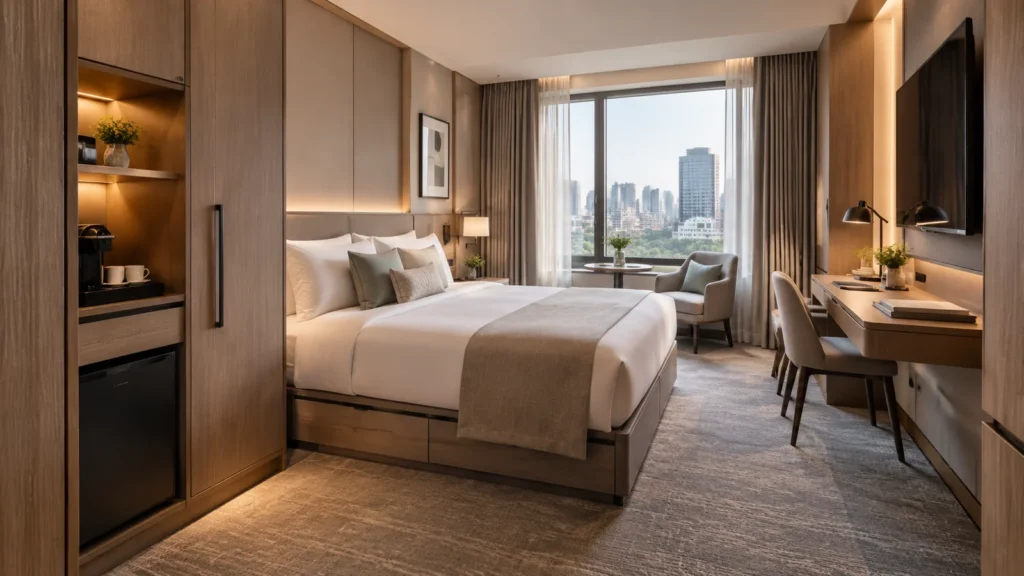
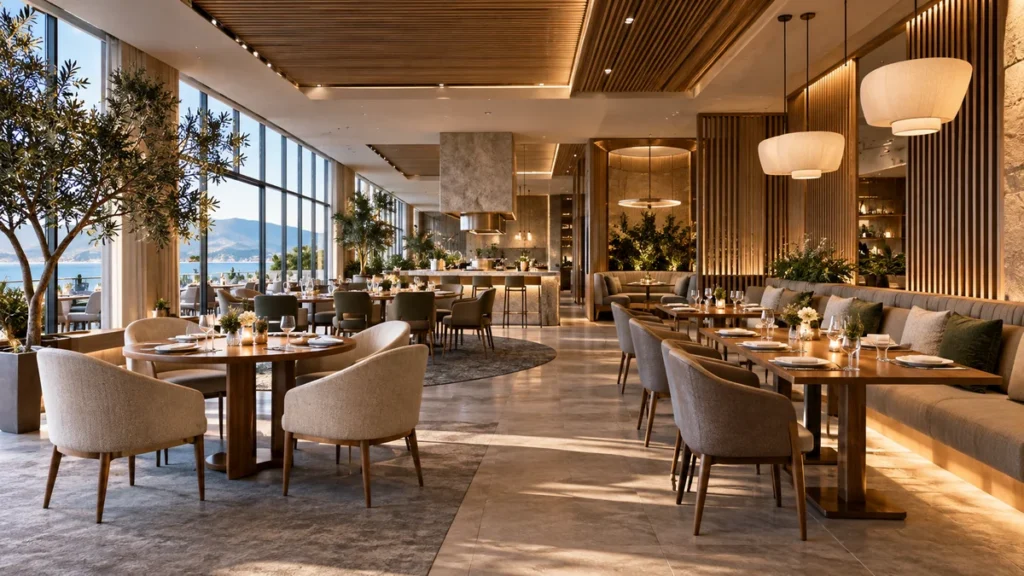
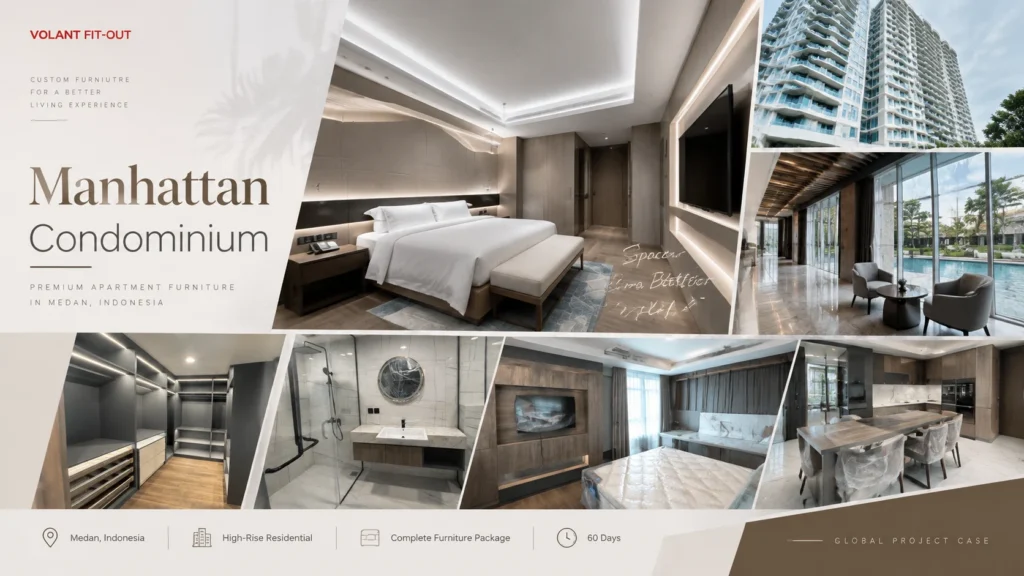
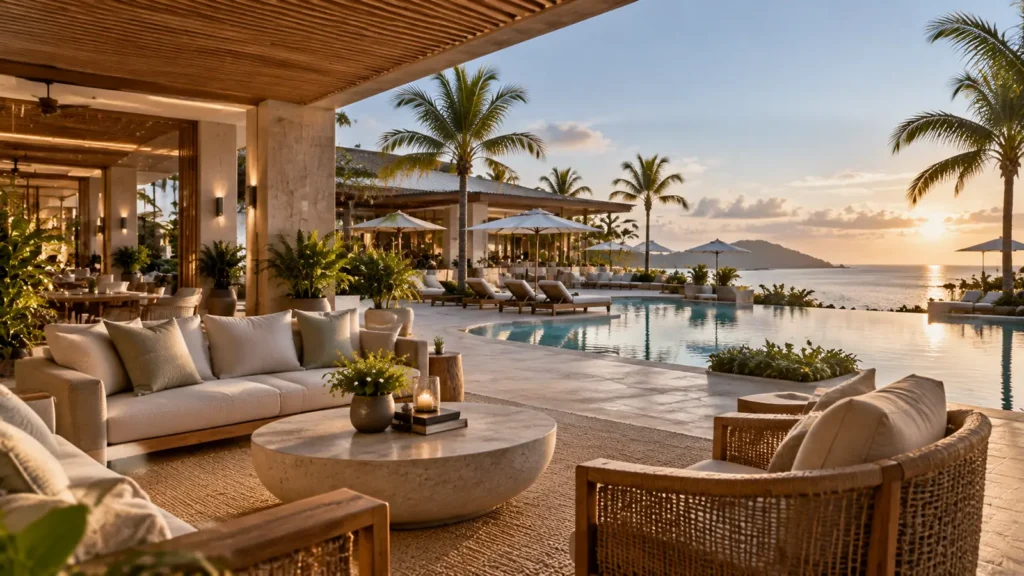
Hotel bar design ideas are evolving as hotels transform their bars from simple beverage areas into social destinations where guests connect, relax, work, and experience the character of the property. A thoughtfully designed hotel bar can become one of the most memorable spaces in a hotel, encouraging guests to stay longer and engage with the environment.
But what makes a hotel bar truly successful? Is it the lighting, furniture, layout, or materials? The answer is a combination of all these elements working together. From signature bar counters and comfortable seating zones to carefully selected finishes and flexible layouts, every design decision shapes the guest experience.
In this guide, we will explore inspiring hotel bar design ideas and practical design strategies to help create inviting, functional, and visually impressive hospitality spaces.
8 Hotel Bar Design Ideas to Inspire Your Next Hospitality Project
A successful hotel bar is created through a combination of thoughtful design choices. From the shape of the bar counter to the way guests interact with the space, every detail can influence the atmosphere and experience.
The following hotel bar design ideas explore key elements that help transform a functional bar into an engaging social destination. These concepts can be adapted for luxury hotels, boutique properties, and modern hospitality spaces.

1. Create a Signature Bar Counter as the Focal Point
The bar counter is often the first design element guests notice when entering a hotel bar. More than a functional workspace, it acts as a visual centerpiece that defines the atmosphere and identity of the space.
A well-designed hotel bar counter can influence how guests experience the entire area through its shape, materials, and details. Whether the style is luxurious, modern, or residential-inspired, the counter becomes the anchor that connects seating, lighting, and décor.
Popular hotel bar counter design ideas include:
- Curved bar counters that encourage interaction
- Natural stone surfaces for a premium look
- Warm wood finishes for a welcoming atmosphere
- Metal accents for a contemporary style
- Integrated lighting to highlight textures and create depth
Think of the bar counter as the stage of your hotel bar. Every surrounding element works together to enhance this central feature.
For unique hospitality concepts, a thoughtfully designed bar counter allows greater flexibility in form, materials, and finishes.

2. Design Multiple Social Seating Zones
A well-designed hotel bar should offer more than one way for guests to interact. Different seating areas allow guests to choose the experience they want, whether they are having a quick drink, meeting friends, or enjoying a quiet conversation.
Creating multiple social zones can make a hotel bar feel more welcoming and dynamic. Instead of arranging all seating in one layout, designers can create different areas with unique functions, atmospheres, and levels of privacy.
Consider combining:
- Bar stools for casual conversations and direct interaction with bartenders
- Lounge chairs for relaxed seating and longer stays
- Sofas and low tables for groups and social gatherings
- Private booths for more intimate conversations
- Communal tables for shared experiences and informal networking
The key is to design a space where every guest can find their preferred way to connect. A flexible seating strategy helps transform a hotel bar from a service area into a true social destination.

3. Bring Residential Comfort Into Hotel Bar Spaces
Modern hospitality design is moving away from cold, commercial environments and toward spaces that feel more personal and welcoming. This shift reflects a broader focus on creating environments that support comfort, wellbeing, and better human experiences, a concept also explored by the WELL Building Standard.
The goal is not simply to add more seating, but to create a sense of familiarity through soft materials, warm finishes, and thoughtful details. A residential-inspired hotel bar can feel more like a stylish living room than a traditional drinking space.
Key design elements include:
- Upholstered chairs and sofas that provide comfort for longer stays
- Soft fabrics and textured materials that create a warmer atmosphere
- Warm wood finishes that add a natural, residential feeling
- Relaxed lounge furniture that encourages guests to slow down
- Layered textures through cushions, rugs, and decorative details
A successful hotel bar should feel like a home away from home. When guests feel comfortable and connected to the space, they are more likely to relax, socialize, and enjoy the overall experience.

4. Use Layered Lighting to Create Atmosphere
Lighting plays a major role in shaping the mood of a hotel bar. The same space can feel energetic, intimate, or luxurious depending on how light is layered and controlled.
Instead of relying on a single light source, successful hotel bar interior design combines different lighting levels to highlight key features and create a comfortable atmosphere.
Common lighting strategies include:
- Ambient lighting to create the overall mood and provide comfortable illumination throughout the space
- Accent lighting to draw attention to design features such as bar shelves, artwork, and architectural details
- Decorative lighting such as pendant lights and statement fixtures to add personality and become part of the interior design
Well-planned lighting does more than brighten a space. It guides guest attention, enhances materials, and helps define different areas within the hotel bar.
The right lighting design allows every element—from the bar counter to the seating area—to feel intentional and connected.

5. Turn the Back Bar Into a Statement Feature
While the front bar counter attracts immediate attention, the back bar plays an equally important role in shaping the identity of a hotel bar. Positioned behind the bartender, it creates the visual backdrop that guests see throughout their experience.
A thoughtfully designed back bar can transform functional storage into a powerful design feature. Through shelving, lighting, and material choices, it can showcase the hotel’s personality while adding depth and character to the space.
Key back bar design elements include:
- Floor-to-ceiling shelving to create a dramatic visual display
- Glass cabinets and displays to highlight premium bottles and decorative objects
- Integrated lighting to add depth and draw attention to key details
- Statement materials such as wood, stone, or metal finishes
- Organized storage solutions that balance aesthetics and functionality
A well-designed back bar is more than a storage area. It becomes a storytelling element that connects the brand, atmosphere, and guest experience.

6. Combine Materials to Express Brand Identity
Materials play an important role in shaping the mood and personality of a hotel bar. The right combination of textures, colors, and finishes can communicate a brand’s identity before guests even interact with the space.
Successful hotel bar design is not about using the most expensive materials. It is about creating a balanced material language where every surface works together to support the overall atmosphere.
Different combinations can create different experiences:
- Luxury spaces often combine marble, brass, leather, and dark wood to create a refined and timeless feeling
- Modern bars may pair glass, metal, natural wood, and solid surfaces for a clean and contemporary look
- Boutique concepts can use handmade details, local materials, and unique textures to create a more personal experience
The most memorable hotel bars use materials with purpose. From the countertop and furniture to the walls and decorative elements, every finish contributes to the story of the space.

7. Add Local Character Through Art and Craftsmanship
A memorable hotel bar should feel connected to its location. While many hospitality spaces follow global design trends, the most engaging bars often include details that reflect local culture, history, and craftsmanship.
Adding local character helps create a stronger emotional connection with guests. Instead of feeling like a generic bar, the space becomes a reflection of its surroundings and tells a unique story through design.
Key elements can include:
- Regional artwork that reflects local culture and visual identity
- Handcrafted details that showcase traditional skills and techniques
- Cultural patterns or decorative elements inspired by the destination
- Custom furniture details that add personality and uniqueness
- Locally inspired finishes that create a stronger sense of place
These thoughtful details can transform a hotel bar from a simple service area into a memorable destination where guests experience not only the space, but also the story behind it.

8. Create Flexible Spaces That Adapt Throughout the Day
Modern hotel bars are no longer designed for a single purpose. A well-planned space can support different guest experiences throughout the day, from morning coffee and casual work to evening drinks and social gatherings.
Flexible design allows hotels to maximize the value of their space without changing the overall identity of the bar. By using adaptable layouts and multifunctional elements, the same environment can easily shift between different activities and atmospheres.
Key flexible design solutions include:
- Modular seating that can be rearranged for different group sizes and occasions
- Movable tables that support both casual meetings and social events
- Adaptable layouts that allow spaces to transition throughout the day
- Multi-purpose lounge areas that work for relaxing, working, and socializing
A flexible hotel bar does more than save space. It creates a dynamic environment that responds to changing guest needs and keeps the space active throughout the day.
Key Considerations When Designing a Hotel Bar
Great hotel bar design is not only about creating a beautiful atmosphere. The space must also support daily operations, guest comfort, and long-term performance.
Balance Guest Experience
and Operational Efficiency
A successful hotel bar needs to balance visual appeal with practical functionality. Every design decision should support guest experience and smooth service.
- Guest movement
- Bartender workflow
- Seating accessibility
- Storage planning
Select Durable Materials
for Hospitality Environments
Hotel bars experience intensive daily use. Materials and finishes must deliver both visual quality and long-term performance.
- Frequent cleaning and maintenance
- High guest traffic
- Long operating hours
Create Furniture Solutions
That Fit the Space
Every hotel has a unique identity, layout, and operational requirement. Furniture should support the overall design vision.
- Dimensions
- Materials
- Colors
- Finishes
- Functional details
Material selection is also an important factor in long-term hospitality performance. Industry frameworks such as the LEED green building rating system provide guidance on material efficiency and sustainable building practices.
Custom Hotel Bar Furniture: Turning Design Ideas Into Reality
Turning a hotel bar concept into a finished space requires more than creative ideas. The right furniture solutions need to balance design vision, functionality, durability, and production requirements.
For hospitality projects, working with an experienced hotel furniture manufacturer helps ensure that unique concepts can be translated into practical, high-quality results.
A professional manufacturing partner can support:
- Custom bar counter production that matches the space and design concept
- Hotel lounge furniture designed for comfort and long-term use
- Seating solutions tailored to different guest experiences
- Material and finish selection to achieve the desired aesthetic
- Large-scale project manufacturing with consistent quality
At Volant, we provide custom hotel furniture solutions for hospitality projects worldwide. With Industry 4.0 manufacturing capabilities, advanced production systems, and experience supporting complex hotel environments, we help designers and developers bring their concepts from drawings to finished spaces.
Whether you are developing a luxury hotel bar, boutique hospitality space, or large-scale hotel project, our team can support your vision with tailored furniture solutions, material expertise, and manufacturing capabilities.
Contact Volant today to discuss your project requirements and explore how we can help bring your hotel bar design ideas to life.
Conclusion
Great hotel bar design ideas go beyond creating a visually attractive space. In modern hospitality design, successful hotel bar combines atmosphere, comfort, functionality, and brand identity to create a memorable social destination for guests.
From thoughtful layouts and signature hotel bar counter design to carefully selected materials, lighting, and hotel bar furniture, every element contributes to the overall guest experience.
The best hotel bar design balances creative vision with practical performance. With the right design strategy and customized hotel furniture solutions, hotels can create spaces where guests want to stay longer, connect with others, and return again.
FAQs
What makes a good hotel bar design?
A good hotel bar design balances aesthetics, functionality, and guest experience. It should create an inviting atmosphere while supporting efficient service, comfortable seating, and smooth daily operations.
What should be considered when designing a hotel bar?
Important considerations include guest movement, bartender workflow, seating layout, lighting, material durability, storage requirements, and furniture selection. A successful hotel bar should look attractive while remaining practical and easy to operate.
How can I make a hotel bar more inviting?
A hotel bar can feel more welcoming by combining comfortable seating, warm lighting, residential-inspired details, and thoughtful space planning. Creating different seating zones allows guests to relax, socialize, or enjoy private conversations.
What materials are best for hotel bar furniture?
The best materials for hotel bar furniture should balance appearance, durability, and maintenance. Common choices include wood, stone, metal, leather, and commercial-grade upholstery, depending on the design concept and usage requirements.
Why choose custom hotel bar furniture?
Custom hotel bar furniture allows designers to create solutions that match the specific layout, brand identity, and functional needs of a project. It provides more flexibility in dimensions, materials, finishes, and design details compared with standard furniture options.